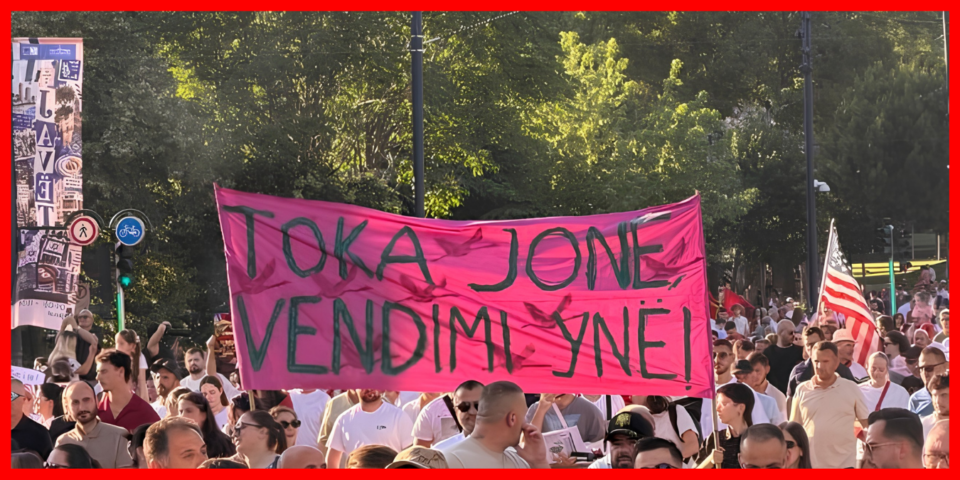
In December of 1990, students in Tirana took to the streets to break the silence after the fall of the communist regime, demanding democratization and political pluralism alongside freedom of choice and their own inclusion. The dictatorship did not end with the death of Enver Hoxha – the Party of Labour remained behind him, firmly holding Albania under its control. Yet when decades of silence and fear turn into public voice and collective anger, the first real political turning point is born: the formation of the country’s first opposition, democratic party in its history.
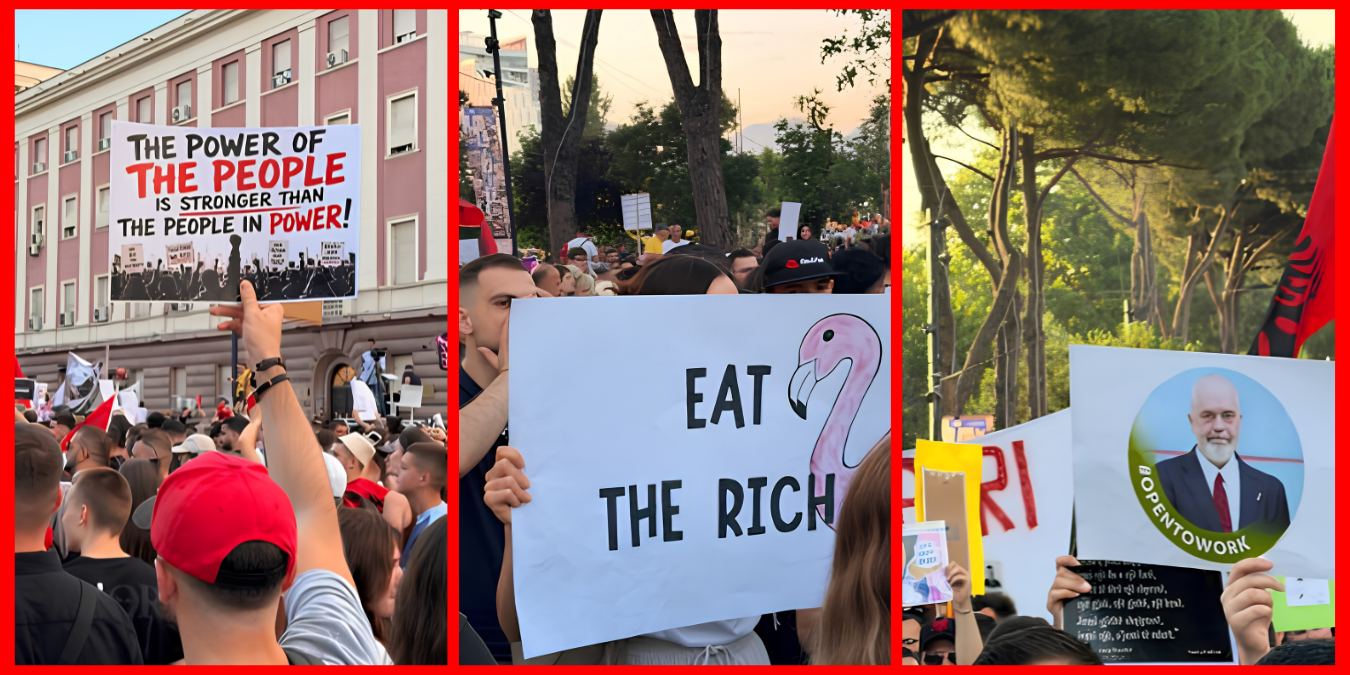
Today, new generations of young people and students, together with their fellow citizens, who have for months been defying Albanian Prime Minister Rama, are changing the image of protest in the Balkans. The movement of those dissatisfied with the prime minister’s policies was, in its first days, focused on controversial projects on the island of Sazan. Insufficient institutional openness, lack of transparency, threats to the ecosystem, exclusion of the public from decision-making processes, and violations of citizens’ right to sovereignty led to a broader protest against Prime Minister Rama’s government.
Thousands of demonstrators are sending a clear and powerful message that young people are not giving up their voice, showing us how the color pink can also mean courage and persistence. Every generation develops its own language of resistance. Tirana has been colored with a symbol of tenderness that transforms into defiance – a youth movement that seeks not only to be heard, but also to have its place in Albanian politics.
Behind every movement stand individuals, their faces, personal stories, and reasons for being on the streets. One of them is S.M., a student who spoke to us about her generation’s motives, expectations, and hopes.
S.M. is 21 years old and currently an undergraduate student of Software Engineering. She is originally from Dibra, a small town in northern Albania, and currently lives in Tirana, where she is finishing her studies and building the foundations of her future career. Like many young Albanians, she moved to the capital in search of better educational and professional opportunities, but she still maintains a strong connection to her hometown and community.
What motivated you to join the protests?
I decided to join the protests as soon as I learned the reasons behind their organization. I was particularly concerned about the lack of transparency regarding major development projects planned in Albania, especially in protected areas like Zvërnec. The decision to allow large investments in ecologically sensitive zones, including projects linked to Ivanka Trump and Jared Kushner, raised serious questions about public consultation, accountability, and the protection of our national heritage.
I was even more frustrated by the silence of much of the mainstream media on these issues. I felt as though important social issues weren’t being openly discussed. At that moment I realized that passivity doesn’t help. I joined the protests because I believe every citizen has a responsibility to speak up when they feel their country’s future is being decided without sufficient transparency and public participation.
What do these protests represent for you personally?
For me, these protests represent democracy in practice. They symbolize the willingness of ordinary people, especially young people, to take responsibility for their country’s future. They stand for freedom of expression, environmental protection, transparency, and the hope that Albania can become a fairer and more prosperous society. Most importantly, they represent the conviction that citizens have the right to participate in decisions that affect their future.
What are the main demands of the young people participating in these protests?
The Zvërnec project may have been the trigger, but it’s just one example of a much broader range of concerns. Many young people are worried about the management of public resources, environmental protection, and the lack of transparency in important state decisions. Similar concerns have been raised regarding the project on the island of Sazan.
Beyond that, young people are demanding a better healthcare system, higher-quality education, a more independent and efficient judicial system, a stronger fight against corruption, and better economic opportunities. They want fair wages, affordable housing, and safer communities. Above all, they want to feel that Albania is a country where they can build a future, not a place they’re forced to leave in search of opportunities elsewhere.
What problems affect your generation in Albania most today?
One of the biggest challenges my generation faces is the rising cost of living. Housing prices have risen significantly, making it extremely difficult for young people to buy their own home without taking on heavy debt. At the same time, wages often fail to keep pace with the cost of living, making financial independence harder to achieve.
Another major problem is the limited job market. Many people struggle to find work in their field after graduating, which forces them to take jobs outside their area of study or consider emigrating. Safety is also an important issue. Young people want to live in a country where they feel safe, where public spaces are well maintained, institutions function properly, and the rule of law is consistently applied. People want to trust that they can build their future in a stable environment, where opportunities are available and where they feel respected and protected as citizens.
How would you describe the atmosphere among young people during the protests?
The atmosphere is peaceful, energetic, and full of hope. Despite the challenges the country faces, there is a strong sense of solidarity among participants. Young people are gathering not just out of anger, but because they genuinely believe positive change is possible. There’s a sense of determination, optimism, and a shared conviction that our voice is being heard. The protests have created a sense of unity that many young people hadn’t experienced before.
Do you think political leaders and institutions are truly listening to and hearing young people in Albania?
Many feel that their concerns are often acknowledged but not actually addressed. Political leaders often talk about young people’s problems, but concrete measures don’t always follow. Long-standing issues of corruption, unemployment, and emigration have led many young people to believe their voice isn’t adequately represented in decision-making processes.
Whether institutions will truly decide to listen remains to be seen, but the message of the younger generation is becoming harder to ignore.
Some argue that protests rarely bring about real change. What would you say to them?
Change rarely happens overnight, but history shows that significant progress often begins when people speak up. Even when a protest doesn’t achieve all its goals immediately, it raises awareness, opens public discussion, and puts pressure on decision-makers.
The Flamingo Revolution isn’t just about one specific project; it’s about civic participation and a reminder that democracy requires active engagement. If citizens stay silent, nothing changes. Protests can spark long-term change and encourage more people to get involved in public life.
Do you see your future in Albania, or do you think many young people are forced to leave?
In the past, I often thought about leaving Albania, like many young people do. The lack of opportunities and existing challenges made that option appealing. However, these protests have given me hope that change is possible.
Today, I want to believe that our determination, persistence, and collective effort can help improve our country. I hope future generations will be able to build successful lives here, close to their families, speaking their own language, contributing to their communities, and investing in Albania’s future, instead of feeling forced to leave.
Looking back on this moment in the future, what do you hope these protests will have contributed to?
I hope these protests will be remembered as a turning point – the moment when citizens, especially young people, decided to become active participants in shaping Albania’s future.
Above all, I hope they will contribute to a better Albania, showing that when people come together peacefully and persistently, their voice can make a difference.