


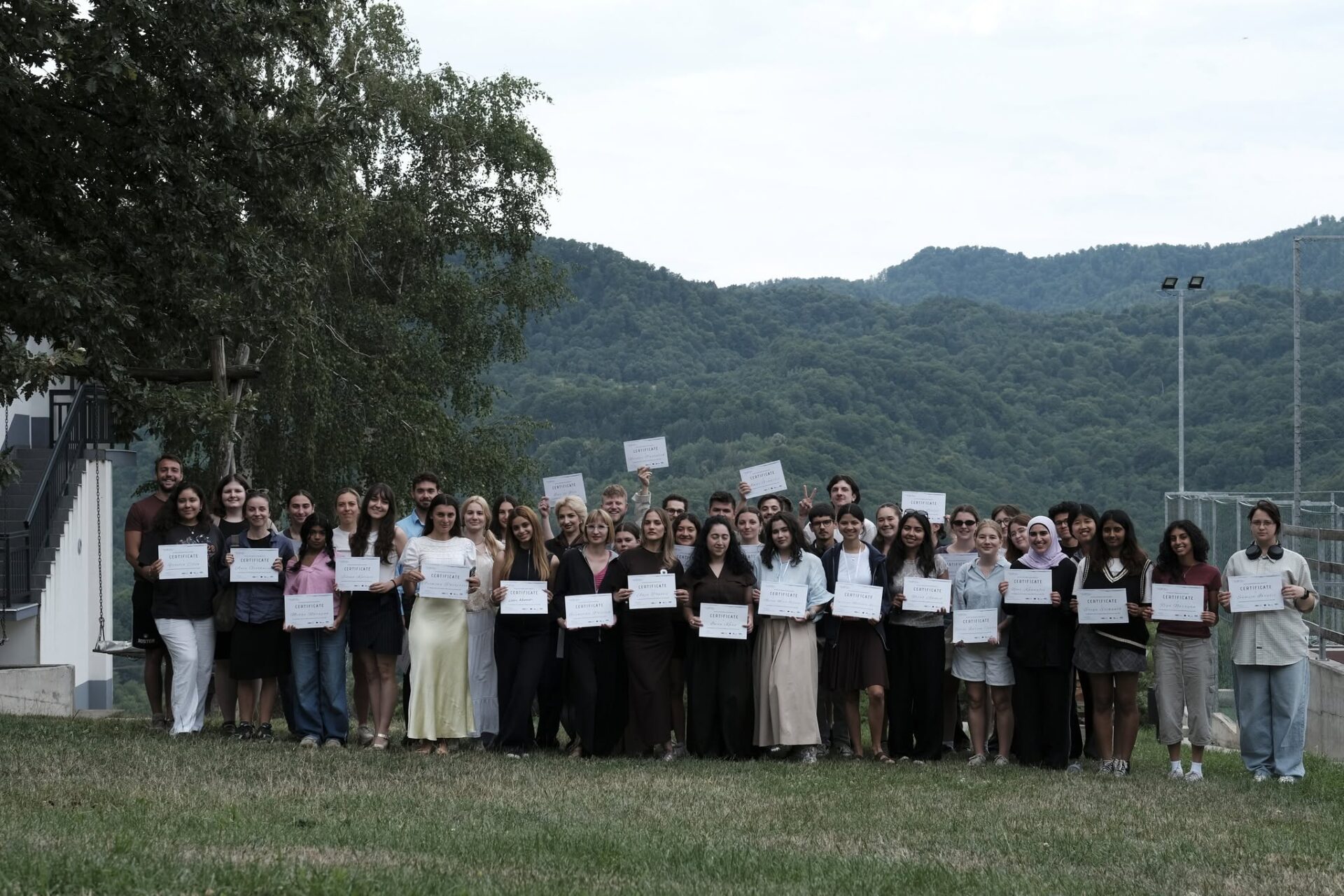
The 7th Srebrenica Youth School was held from July 6 to 12 by the Post-Conflict Research Center (PCRC), with the support of the National Endowment for Democracy, the OSCE Mission to Bosnia and Herzegovina, and the International Commission on Missing Persons (co-funded by the EU).
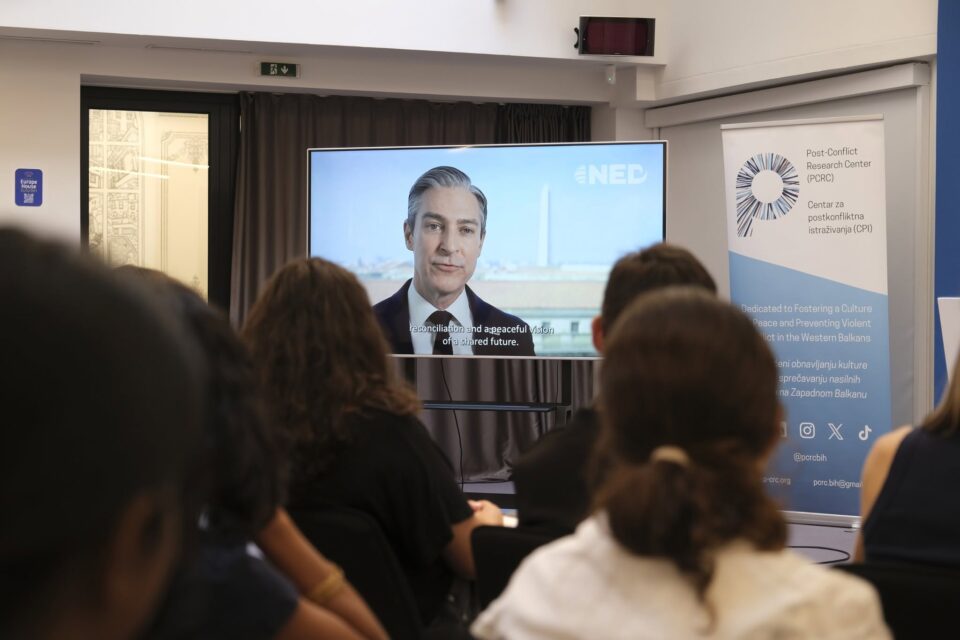
Participants arrived to Sarajevo on the evening of the 6th and built foundations with each other through ice-breaker activities facilitated by our team, followed by a group dinner at Hotel Saraj. The School was officially opened the following day with speeches by Damon Wilson, President and CEO of the NED, Aurelia Valtat, Head of European Integration, Political, Press and Information Section of the Delegation of the European Union to BiH, and an address by Velma Šarić, founder and president of PCRC.
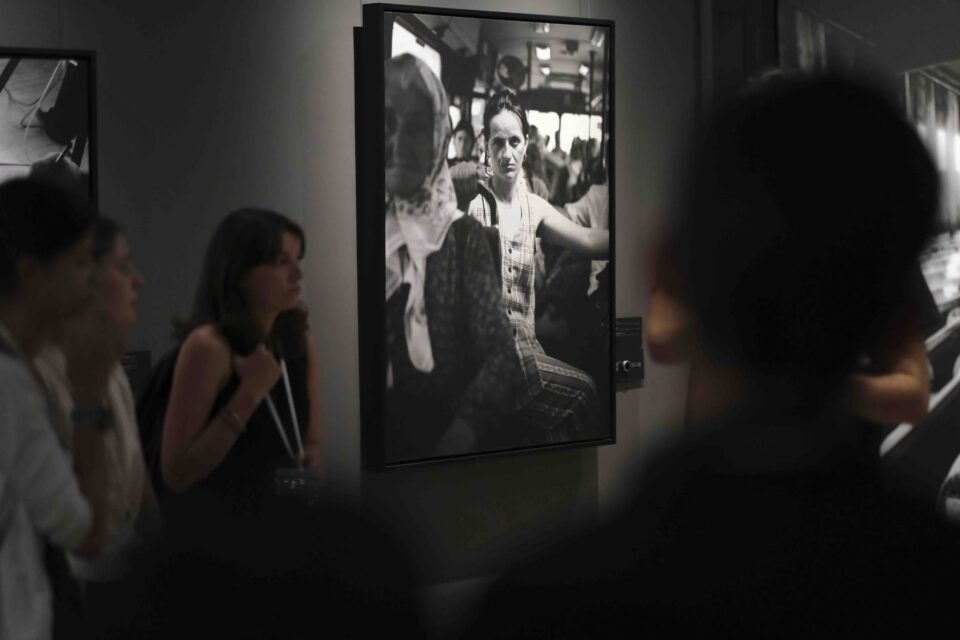
This was followed by an Introduction to Transitional Justice, led by Professor Goran Šimić, Dean of the Faculty of Law at the University Vitez and continued with a panel session on “Building Accountability: International Responses to the Legacy of Srebrenica”. The panel featured Agnes Picod (UN Office of the High Commissioner for Human Rights, BiH), Borislav Buljić (ICMP), Klaudia Kuljuh (TRIAL International in Bosnia and Herzegovina), and was moderated by Leila Bičakčić of the Center for Investigative Reporting (CIN). After returning from lunch, the workshop “How is memory defended in public spaces?” was led by Milica Pralica of Oštra Nula Association. The day ended with a visit to Gallery 11/07/95, the first memorial gallery in Bosnia and Herzegovina dedicated to the victims of the Srebrenica genocide.
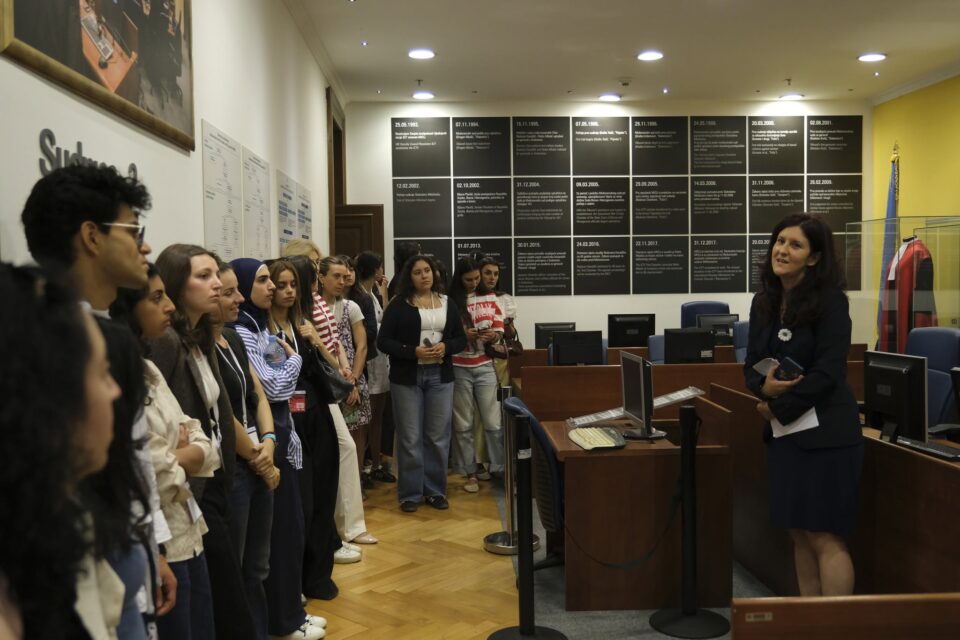
 The second day of the School was held in Sarajevo City Hall (Vijećnica), beginning with a tour of the historic building by Ismena Čaušević from the Sarajevo Information Centre on the ICTY. Participants then attended an interactive lecture by Nemanja Stjepanović from the International Residual Mechanism for Criminal Tribunals (IRMCT) on the court-established chronology of the genocide, a lecture on genocide denial and triumphalism by Hikmet Karčić from the Institute for Research of Crimes Against Humanity and International Law at the University of Sarajevo, and closed out the day with a workshop session led by our team on developing joint youth projects tackling remembrance, personal narratives of history and activism.
 The third day took our participants to the ICMP Podrinje Identification Project in Tuzla, where they met with Senior Forensic Anthropologist Dragana Vučetić, learning about the importance of their forensic work, identification of thousands of victims, and their continued dedication and efforts in identifying those still missing. From Tuzla, our youth finally arrived at the Srebrenica Memorial Center in Potočari where they laid flowers at the Cemetery in remembrance of the victims of genocide, followed by a guided tour through the Center’s museum and exhibits. During the tour, the coffins of 10 identified genocide victims arrived in preparation for their burial during the commemoration on the 11th.
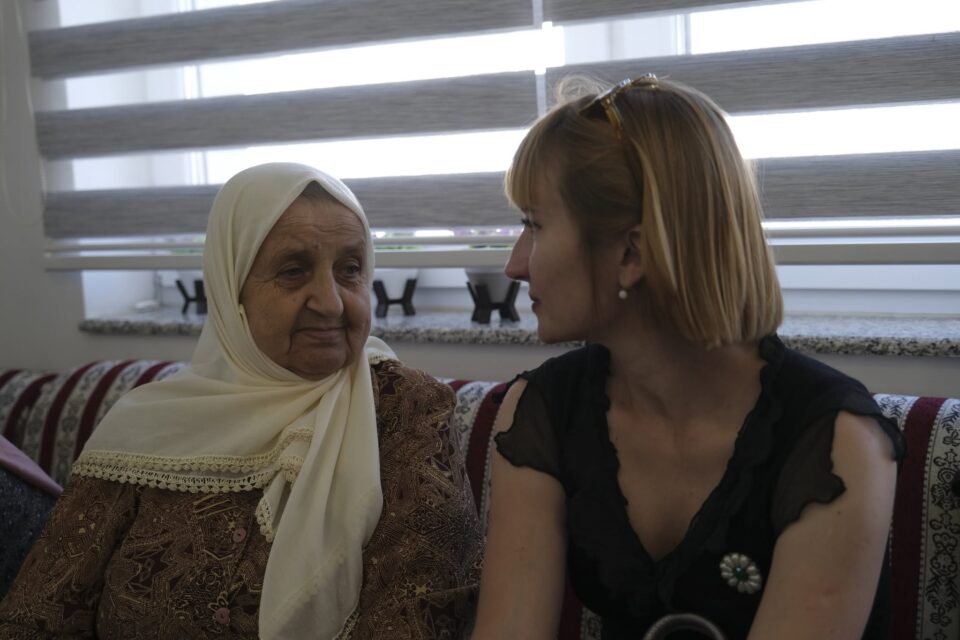
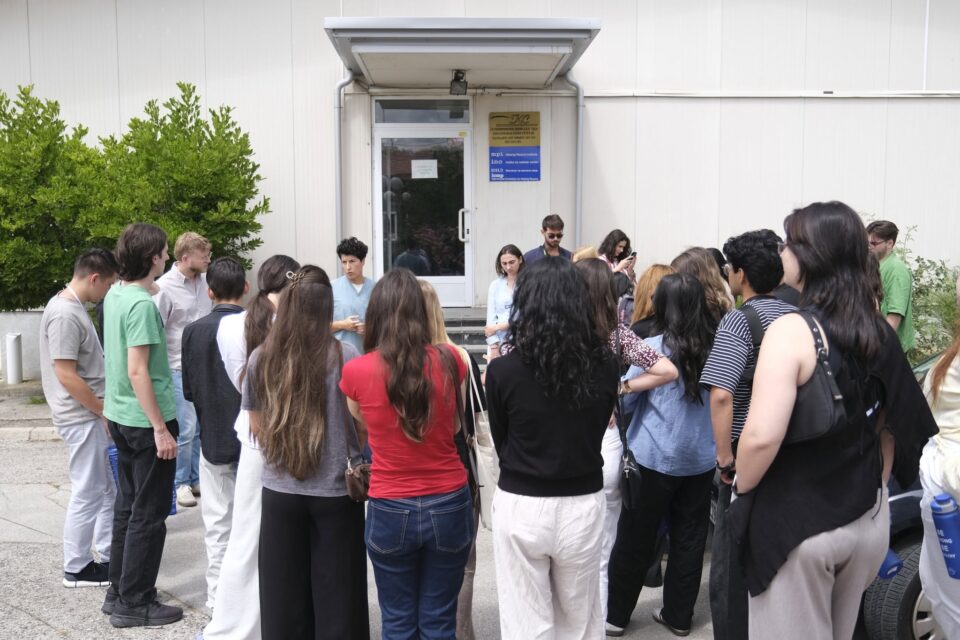 During the fourth day of the school, our participants joined volunteers to pick raspberries as part of Emmaus’s model of “solidarity economy” (growing their own crops to sustain their soup kitchen and other humanitarian aid projects for the community). From there, they visited the Home for the Elderly “Hatidža Mehmedović”, where they met several Mothers of Srebrenica who now live there. The home carries the name of the late Mother Hatidža Mehmedović, who lost her husband and two sons in the genocide, and who, until the end of her life, remained a fearless voice for justice and truth on behalf of the victims.
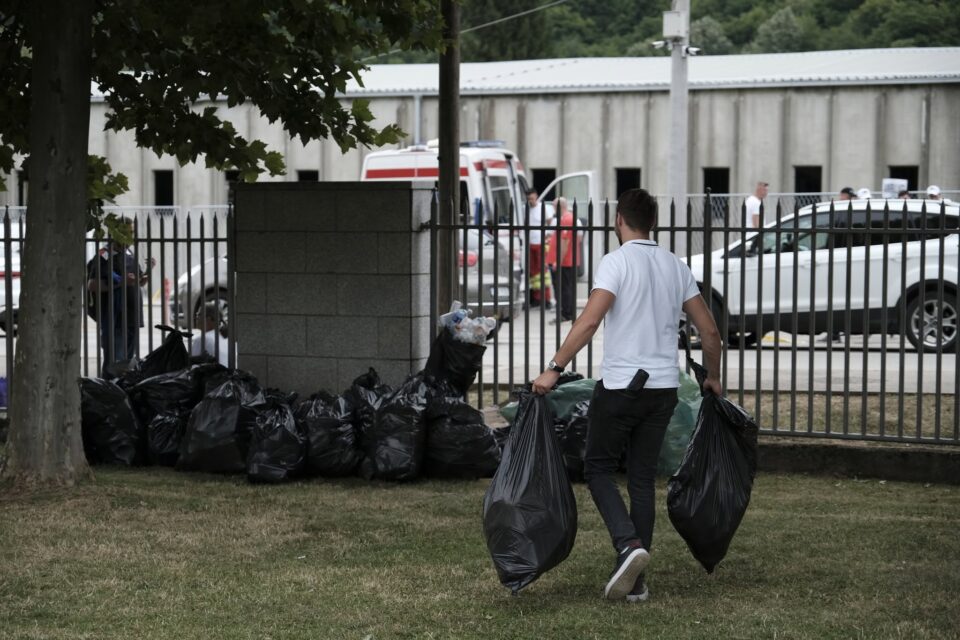
 The fifth day of the school marked the 31st anniversary of the victims of genocide in Srebrenica. Our participants attended the commemoration at the Srebrenica Memorial Center in Potočari, standing alongside thousands who gathered to honor the victims of the genocide. They walked among the graves of over 8,000 Bosnian Muslim men and boys, witnessed the solemnity of the day, and stood in remembrance with survivors, families, and people from around the world who came together to say: we will never forget. After the commemoration ended, our youth stayed behind and joined volunteers from Emmaus to help clean the Srebrenica Memorial Center and Cemetery.
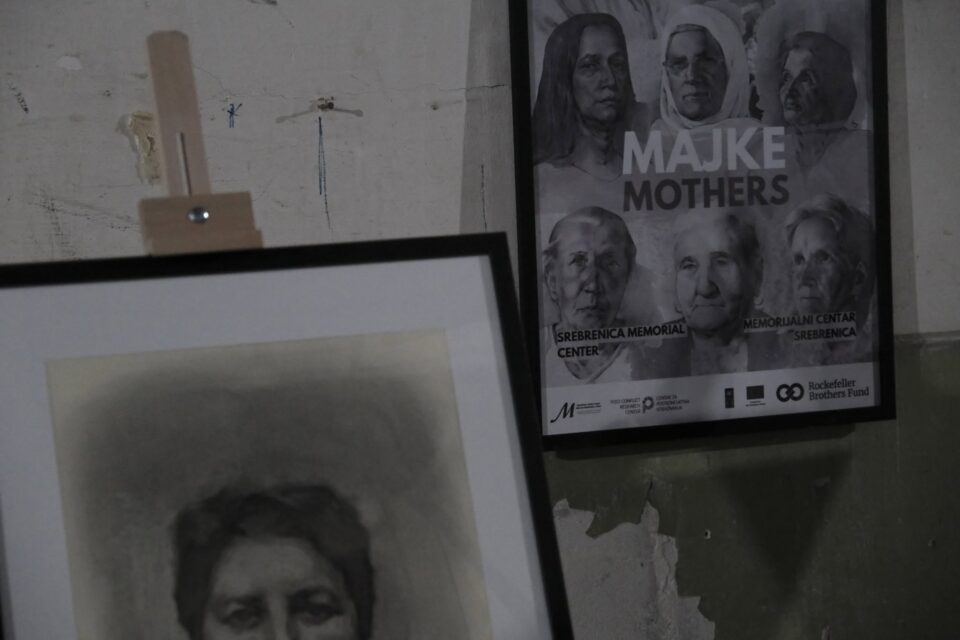
They then attended the opening of the exhibition “Majke/Mothers” by New Zealand artist Nour Hassan, which was developed by PCRC and the Movement of Mothers of Srebrenica and Žepa Enclaves with support from the Rockefeller Brothers Fund and the regional project “EU Support for Confidence-Building in the Western Balkans.” The opening was made special by the presence of Nejira Subašić-Hodža, granddaughter of Mother Munira Subašić and Emina Sinanović, daughter of Mother Šuhra Sinanović, who joined our participants and shared their own memories and experiences of growing up in post-genocide Bosnia. They also shared special scarves with them, as gifts from Mothers of Srebrenica.
 The final day of the school was closed with a certificate ceremony, awarding our participants with certificates of participation to mark not just the end of a program, but the start of a shared responsibility they now carry forward – to remember, to question, and to work on prevention in their communities.
Thank you to everyone who welcomed our youth this year, and to the participants themselves for their openness, curiosity, and commitment throughout this journey.